Hair
What Is Color Correction and How Long Does It Take?
Last updated:
Color correction is a customized service that addresses unwanted hair color, uneven bands, or a major shade change. It can take several hours, and some goals require multiple appointments. The timeline depends on existing pigment, hair condition, and testing. Call (561) 312-2203 for an assessment and a personalized quote.
What does hair color correction actually involve?
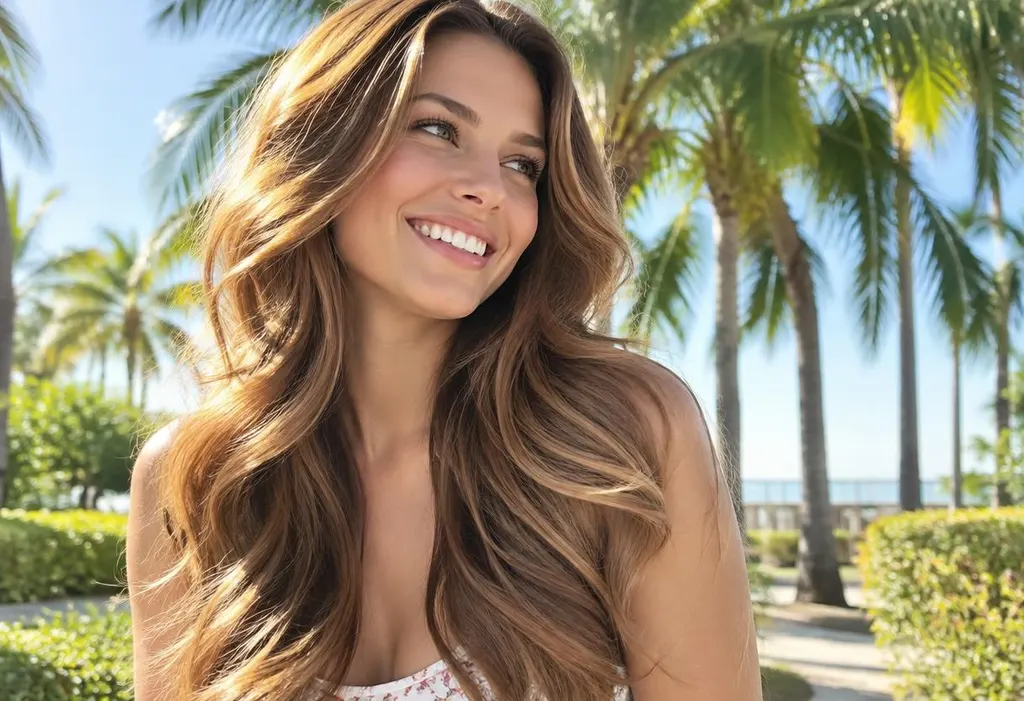
Color correction is problem-solving for color that is uneven, unwanted, or too far from the desired result for a routine application. It can involve reducing excess darkness, addressing orange or yellow tones, blending bands, or restoring depth to over-lightened hair. The right approach depends on what is already in the hair, not simply the shade you want next.
A correction is not always a dramatic rescue. Sometimes the goal is a softer transition between roots and ends or a more consistent brunette. Explore color correction if your current result has several different tones or a history of overlapping home applications. A consultation helps distinguish a targeted adjustment from a more involved transformation before time is reserved.
How long does color correction take?
Plan for a potentially lengthy appointment rather than assuming correction fits into a quick root touch-up. Some adjustments may be straightforward, while layered dark dye, uneven lightening, or substantial shade changes can take several hours. More complex goals may need separate visits. No universal processing time or appointment count can be promised without assessing your starting point.
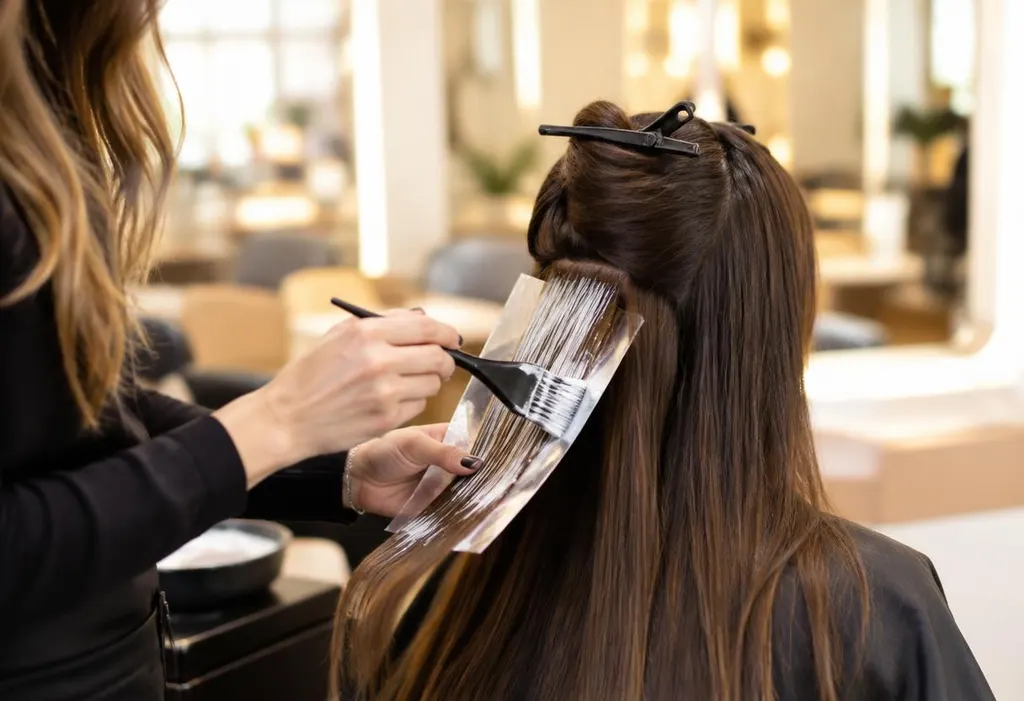
The chair time includes more than waiting for a formula to develop. Consultation, sectioning, selective application, checking progress, rinsing, drying for reassessment, and refining tone may all be necessary. A stylist may work differently on roots, mid-lengths, and ends. Ask for an estimated appointment block and keep the rest of your schedule flexible rather than booking immediately before an important event.
| Starting situation | Why the timeline varies |
|---|---|
| Unwanted warmth | The stylist must determine whether tone adjustment or additional lightening is needed. |
| Dark artificial color | Built-up pigment may lift unevenly and require a staged approach. |
| Visible bands | Different sections may need separate formulas or application timing. |
| Over-lightened lengths | Condition and pigment replacement needs can limit the first-session plan. |
Why are hair history and strand tests important?
Tell the stylist about every relevant chemical service, including box dye, professional color, bleach, relaxers, straightening treatments, and henna or products with uncertain ingredients. Hair retains a chemical history even when the last application was months ago. Natural-looking ends are not necessarily untreated ends, and old pigment can affect how evenly a new service develops.
Wella's safety guidance recommends strand testing to evaluate timing and color results because previous color and chemical treatments can affect the outcome. In correction work, a small test section helps inform what may be achievable. It is not a guarantee for the entire head and does not replace allergy testing required by the product manufacturer. Disclose previous reactions before any product is applied.
Can toner fix every orange or uneven result?
No. Toner adjusts tone within the limitations of the existing lightness; it is not a universal way to turn dark orange hair into pale blonde. If the underlying hair is too dark for the target, the stylist may recommend additional lightening, a deeper final shade, or a staged plan. Porous ends may also absorb pigment differently from healthier sections.
Likewise, putting one darker formula over every section does not automatically create an even brunette. Previously lightened areas may need pigment restored before the final shade is applied. For a relatively even base that mainly needs a shade refresh, hair color services may be sufficient. The assessment should identify the actual problem instead of treating every unwanted tone as the same issue.
When are multiple appointments the better choice?
Multiple visits can be the more responsible choice when the desired change exceeds what the hair can reasonably tolerate in one session. Very dark artificial color, strongly contrasting bands, and fragile lengths can all limit the first appointment. A realistic plan may include a wearable intermediate shade rather than a promise of immediate platinum blonde.
Ask what the first visit aims to achieve, what uncertainty remains, and how the stylist will decide whether to continue. Time between appointments does not restore chemically damaged hair to an untouched state. Conditioning can improve manageability, but it does not erase previous processing. Sometimes trimming compromised ends or choosing a less demanding target is the most practical route forward.
How should you prepare and care for corrected color?
Bring clear photos of your current hair in natural light and a small selection of inspiration images. Explain what bothers you most: darkness, warmth, stripes, or an abrupt root line. Avoid adding more home dye or bleach while waiting for the consultation. If your scalp is irritated or your hair is breaking, mention that when arranging the appointment so the team can advise appropriately.
Afterward, follow the recommended washing, conditioning, and heat-styling routine. Do not assume a purple shampoo suits every corrected shade; ask whether it is appropriate and how often to use it. Once the base is stable, balayage may be an option for softer dimension, but additional lightening should depend on condition rather than a fixed calendar.
- List previous color and chemical treatments honestly.
- Bring current photos and identify your main concern.
- Ask about testing, first-visit goals, and possible additional sessions.
- Confirm the quote and maintenance plan before proceeding.
How can you request a correction quote?
Call El Encanto Beauty Salon & Spa in Lake Worth Beach at (561) 312-2203. Explain your current color, recent treatments, and desired change, then ask how to arrange an assessment. Request a personalized quote, what it includes, and how additional work would be discussed. A clear plan is more useful than an unsupported flat price or a guaranteed transformation deadline.
Which source supports the testing guidance?
Wella: Hair color safety tests — https://www.wella.com/international/wella-magazine/hair-color-safety-tests. The resource explains strand testing for timing and color results and separate allergy-testing precautions; it does not set correction appointment lengths.
What else should you know?
Is color correction the same as bleaching?
No. Correction may involve lightening, depositing pigment, toning, or balancing selected areas. Some corrections need no bleach, while others require carefully controlled lightening as one part of the plan.
Can black box dye become blonde in one visit?
That cannot be guaranteed. Built-up artificial pigment and hair condition may require multiple appointments or a different target. A consultation and strand test help set a realistic initial goal.
Should I wash out unwanted color repeatedly before my appointment?
Avoid aggressive home stripping or adding more chemical products without professional guidance. Tell the team what you used and ask how to prepare; repeated experimentation can make the starting condition harder to assess.
How much does color correction cost?
The quote depends on the starting color, condition, required steps, and appointment scope. Call (561) 312-2203 for an assessment rather than relying on a generic price range.
Can a strand test replace an allergy test?
No. A strand test evaluates how hair responds and what color result may develop. Allergy testing addresses potential reactions and must follow the applicable product instructions; neither test guarantees a risk-free service.
Which treatments can you explore?
Ready to book hair services?
El Encanto Beauty Salon & Spa is in Lake Worth Beach, open Monday to Saturday, 9:00 AM to 6:00 PM.